Best Vegan Gua Sha Kit for Reactive, Easily Irritated Skin
A gua sha routine is only as gentle as the glide you pair it with. I lined up two vegan-labelled face oils and three tools, and the deciding factor is not the stone.

By Jessica TurnerUpdated 15 min read
On this page
- Best vegan gua sha for sensitive skin at a glance
- Why picks got cut from this list
- Does a vegan gua sha oil actually help sensitive skin?
- Steel, jade or oil first: what decides your routine?
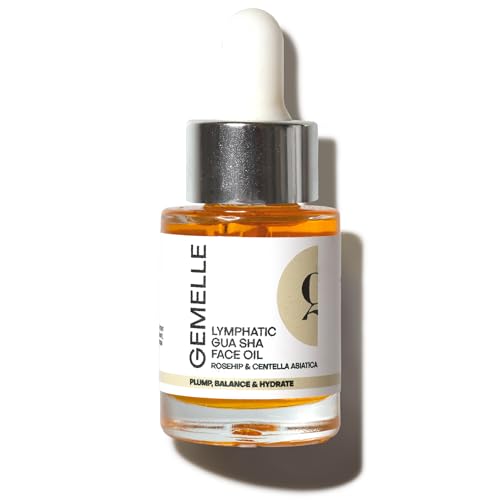
- 1. GEMELLE Lymphatic Gua Sha Face Oil — Best overall
- 2. XYZ Skin Gua Sha Glide Face Oil — Most versatile
- 3. Kitsch Stainless Steel Guasha Tool for Face — Best compact
- 4. Rena Chris Gua Sha Facial Tools — Best budget pick
- 5. Ditind Gua Sha, Jade Stone Gua Sha Massage Tool — Best for families
- How to use a best vegan gua sha for sensitive skin without redness
- What the listings don't tell you about sensitive skin
- The verdict
- FAQ
The best vegan gua sha for sensitive skin is the GEMELLE Lymphatic Gua Sha Face Oil, a 0.5 fl oz botanical oil built to give a stone enough slip that you never drag. If you flush during massage, the XYZ Skin Gua Sha Glide Face Oil is the better buy, at 1 fl oz with blue tansy and squalene in the formula. Get this wrong and the consequence is not a wasted purchase. It's a week of broken capillaries and a jaw that feels raw.
Best vegan gua sha for sensitive skin at a glance
| Pick | Key spec | Type | Price |
|---|---|---|---|
Best overall GEMELLE Lymphatic Gua Sha Face Oil |
0.5 fl oz | Glide oil | Check Price |
Most versatile XYZ Skin Gua Sha Glide Face Oil |
1 fl oz | Glide oil | Check Price |
Best compact Kitsch Stainless Steel Guasha Tool for Face |
3.14 oz, 0.13 in edge | Steel tool | Check Price |
Best budget pick Rena Chris Gua Sha Facial Tools |
3.17 oz, 0.16 in edge | Steel tool | Check Price |
Best for families Ditind Gua Sha, Jade Stone Gua Sha Massage Tool |
1.8 oz, 2-piece set | Jade set | Check Price |


Why picks got cut from this list
Three things knocked listings out before I got to the shortlist.
The first was no published vegan claim. Plenty of gua sha listings say nothing at all about their formula or their sourcing. For a shopper searching specifically for a best vegan gua sha for sensitive skin, silence isn't good enough. The two oils here both carry the claim in their own copy, and XYZ Skin states vegan and cruelty-free outright.
The second was scented or fragranced glide products. Fragrance is the single most common trigger in a reactive routine, and any listing leading with a perfume note went.
The third was missing dimensions. A gua sha tool is a shape, and shape is the whole product. If the listing won't tell me the edge thickness or the footprint, I can't tell you how it will feel along a cheekbone. Every tool here publishes its dimensions.
What survived is five products in two groups: two glide oils and three tools. That split is deliberate. Most guides treat the stone as the purchase and the oil as an afterthought, which is backwards for anyone whose skin reddens easily.
One note on the search itself. Amazon's results for this phrase mix vegan-labelled oils with tools where the term barely applies, since a bare steel or jade tool has no formula to be vegan or otherwise. I've flagged what each listing actually claims and left the judgement with you.
Does a vegan gua sha oil actually help sensitive skin?
A vegan gua sha oil helps sensitive skin in exactly one mechanical way: it reduces friction. That's it. The plant sourcing is an ethics question, not a gentleness question, and the two get conflated constantly in this category.
Friction is what matters though, and it matters a lot. Dry-scraping a stone across thin skin is the fastest route to a flushed, angry face. A generous layer of slip means the tool floats instead of pulling. That's the whole game.
Here's what the ingredient lists in this set actually claim:
- GEMELLE names high-altitude rosehip for radiance and bakuchiol as a plant-based retinol alternative, per the brand's own copy.
- XYZ Skin names azulene-rich blue tansy, blue chamomile and squalene, and says the blend soothes skin and reduces redness.
- Neither tool ships with an oil, so you supply your own.
Read those as manufacturer claims, not clinical findings. Bakuchiol in particular is a renewal active, and actives and freshly massaged skin are a combination some reactive faces don't love. If yours is one of them, the XYZ Skin formula is the calmer of the two on paper.
Steel, jade or oil first: what decides your routine?
The obvious specification here is stone material, and it's the one every gua sha guide leads with. Jade versus rose quartz versus steel, as though the mineral changes your face. It doesn't. Edge thickness and total weight do, because those two numbers decide how much pressure you can apply before your hand takes over.
Compare the three tools:
- Kitsch publishes a 0.13 in edge at 3.14 oz. Thinnest edge in the set.
- Rena Chris publishes a 0.16 in edge at 3.17 oz. Marginally thicker, marginally heavier.
- Ditind publishes a 0.5 in profile at 1.8 oz across a 2-piece set. Nearly four times the thickness of the Kitsch, at roughly half the weight.
A thin edge concentrates force into a narrow line. On a jawline that's precision. On a cheek that reddens in seconds, it's a bruise. A thicker, lighter tool spreads the same hand pressure across more skin, which is gentler by geometry rather than by marketing.
So the real deciding criterion for a best vegan gua sha for sensitive skin is the pairing. Thin steel plus a thin oil is the harshest combination available. Thick jade plus a rich oil is the softest. Pick your tool and your glide together, not separately.
1. GEMELLE Lymphatic Gua Sha Face Oil — Best overall
The most complete glide in this set, with a botanical formula that does something for your skin beyond letting the stone slide.
Best for: someone who wants glide and a treatment oil in one bottle Skip it if: you avoid bakuchiol or plant retinol alternatives
GEMELLE earns the top spot because it's the only pick here designed around the massage itself rather than adapted to it. The brand says the oil was formulated for optimal glide, and the ritual language runs through every claim: sculpting, lifting, relieving facial tension, gentle lymphatic drainage to reduce puffiness. That's a product with a job, not a moisturiser being repurposed.
The formula is the differentiator. GEMELLE names high-altitude rosehip to promote radiance and bakuchiol as a plant-based retinol alternative. Bakuchiol is the interesting inclusion, because it means each massage doubles as a renewal step instead of just a slip layer. The listing also points you toward pairing it with a jade stone or lymphatic massager, so the brand expects you to bring your own tool.
Size is where the arithmetic gets tight. At 0.5 fl oz it holds half what the XYZ Skin bottle does, and it's the second-most expensive pick in this group. The whole bottle measures 3.25 x 1.5 x 1.5 in, so it travels well, but you'll finish it faster.
The trade-off against the rest of the set is straightforward. You're paying a premium position for the smallest volume here, and you're accepting an active ingredient that not every reactive face tolerates.
Pros:
- Formulated specifically for gua sha glide
- Bakuchiol listed as a plant retinol alternative
- High-altitude rosehip named in the formula
- Compact 3.25 in bottle for travel
- Sells faster than the other oil here
Cons:
- Smallest volume of the two oils at 0.5 fl oz
- Second-highest price position in the set
- Bakuchiol may not suit very reactive skin
- No tool included, so budget for one
2. XYZ Skin Gua Sha Glide Face Oil — Most versatile
Double the volume of the GEMELLE bottle, with a soothing-focused formula that suits skin which flushes during massage.

Best for: reactive skin that flushes easily during massage Skip it if: you react to essential oils
This is the pick I'd hand to someone whose face goes pink the moment they touch it. XYZ Skin builds its entire claim around calming rather than renewing: azulene-rich blue tansy and squalene to soothe the skin and reduce redness, blue chamomile alongside them. No actives, no retinol alternative, nothing asking your barrier to do extra work while you're pushing steel across it.
It's also the only pick in this group that states vegan and cruelty-free explicitly, alongside all-natural, biodegradable ingredients and made in the USA. For anyone shopping for a best vegan gua sha for sensitive skin because of the vegan part specifically, that's the clearest label on the shelf.
Volume is the practical win. At 1 fl oz it's twice the GEMELLE bottle, in a 4.33 x 1.57 x 1.57 in package, and the brand suggests 2 to 3 drops per application. That stretches a long way. The blue colour comes from the blue tansy and chamomile rather than added dye, according to the listing.
Two honest marks against it. Blue tansy is an essential oil, and essential oils are a common irritant for exactly the skin type this article is about, so patch test before you commit to a full-face routine. And it's the slowest-moving pick of the five by a wide margin, which means less shopper feedback to draw on.
Pros:
- Largest volume here at 1 fl oz
- Vegan and cruelty-free stated in the listing
- Squalene and azulene named for soothing
- Only 2 to 3 drops needed per use
Cons:
- Blue tansy essential oil can irritate reactive skin
- Slowest seller of the five by a wide margin
- Premium price position despite thin claims on sculpting
- Tallest bottle at 4.33 in, less travel-friendly
3. Kitsch Stainless Steel Guasha Tool for Face — Best compact
The thinnest edge and the easiest tool here to actually sanitise, which matters more than most buyers expect.

Best for: travel and shared bathrooms where hygiene matters Skip it if: you want a wider edge for neck and shoulders
Hygiene is the underrated argument for steel, and Kitsch makes it directly: unlike porous stone alternatives, the tool is non-absorbent and easy to sanitise with soap and water. If you're applying oil to skin that's prone to breakouts as well as redness, a surface that won't hold residue is worth real money.
The published dimensions are 0.13 x 3.3 x 2.4 in at 3.14 oz, giving it the thinnest edge and the lowest weight of the two steel tools. Kitsch describes it as expertly weighted for precision and control, and says it supports circulation and lymphatic flow. The brand also claims 100% stainless steel construction.
Steel has one property no stone matches, and Rena Chris names it too: it stays cool. A cool tool on a flushed cheek is genuinely calming in a way jade at room temperature isn't. That single characteristic is why steel keeps showing up in sensitive-skin routines despite the thin edges.
Where it loses is footprint. At 2.4 in across it's a face tool, not a body tool, and that 0.13 in edge concentrates pressure enough that you have to be deliberate. It also sits at a mid price position while offering less material than the jade set below.
Pros:
- Thinnest edge in the set at 0.13 in
- Non-porous surface, washable with soap and water
- Self-cooling steel for flushed skin
- Lightest steel tool at 3.14 oz
Cons:
- Thin edge is unforgiving on delicate skin
- Face-sized only, at 2.4 in wide
- Mid price position for a single-piece tool
- Only one seller lists it
4. Rena Chris Gua Sha Facial Tools — Best budget pick
The cheapest of the five, and the fastest way to find out whether gua sha suits your skin at all.

Best for: first-time gua sha users on a tight budget Skip it if: you already own a steel tool
Rena Chris positions this squarely at beginners, and the positioning holds up. It's the cheapest pick in this group, and it's the second-fastest mover of the five, so it's the low-commitment entry point. The brand says the durability and self-cooling properties of stainless steel make it suitable for all skin types.
Specs land close to the Kitsch: 0.16 x 3.35 x 2.17 in at 3.17 oz. That's a 0.16 in edge, which is a fraction thicker than the Kitsch's 0.13 in. Marginal on paper, but a slightly blunter edge is slightly more forgiving, and on skin that reddens easily I'd take the thicker one. It's also the widest steel tool here at 3.35 in on the long axis.
The listing mentions an "Instruction of Use" booklet in the box plus instructional videos on the brand's Amazon page, which is more onboarding than any other pick offers. For a first tool that's genuinely useful, because most gua sha injuries come from technique rather than hardware. Rena Chris also notes the tool works with massage oils or lotions, and packages it in a gift box.
The catch is that it's almost the same tool as the Kitsch, and it doesn't do anything the Kitsch can't. Buy it for the price, not for a capability.
Pros:
- Cheapest of the five
- Slightly blunter 0.16 in edge than the Kitsch
- Printed instructions plus video guidance
- Self-cooling stainless steel
Cons:
- Functionally near-identical to the Kitsch tool
- Heaviest tool here at 3.17 oz
- No hygiene claim published, unlike Kitsch
- Only one seller lists it
5. Ditind Gua Sha, Jade Stone Gua Sha Massage Tool — Best for families
A 2-piece jade set at 1.8 oz total, and the only pick here built for body work as well as faces.

Best for: two people sharing, or face plus body work Skip it if: you need a non-porous surface you can sanitise
This is the outlier, and it's here for two reasons. It's a 2 Piece Set, so two people can each have a tool, and Ditind says the smaller board activates trigger points or reaches body areas that are hard to get to. Nothing else in this group covers shoulders and calves.
The dimensions tell the gentleness story: 0.5 x 2.2 x 3.2 in at 1.8 oz. That 0.5 in profile is roughly four times the thickness of the Kitsch edge, on a tool that weighs a little over half as much. Thick and light is the friendliest geometry available for skin that marks easily, because you physically cannot concentrate much force through a blunt edge. Ditind describes the surface as ultra smooth and says it slides without hurting skin.
Material is 100% natural jade per the listing, second-cheapest here, and two sellers stock it. The brand's claims about excreting toxic waste and stimulating the immune system are traditional-medicine framing rather than measured outcomes, so read them as such.
The real weakness is porosity. Jade is stone, and stone holds oil in a way steel doesn't. Kitsch makes that exact argument, and it lands. If you're using oil daily on congestion-prone skin, that's a genuine drawback.
Pros:
- 2-piece set, so two people can share
- Thickest profile at 0.5 in, gentlest geometry
- Lightest pick at 1.8 oz
- Second-cheapest of the five
- Small board reaches body trigger points
Cons:
- Porous stone is harder to sanitise than steel
- No self-cooling property
- Traditional-medicine claims are unverified
- Smallest face footprint at 2.2 in wide
How to use a best vegan gua sha for sensitive skin without redness
Technique does more for reactive skin than product choice does. Five rules cover most of it.
- Never work dry. Two to three drops of oil, spread first, tool second.
- Angle the tool nearly flat. Around 15 degrees to the skin, not on edge.
- Move outward and downward. Jaw to ear, then neck to collarbone. Lymph drains down.
- Three passes per section, maximum. More is not better and marks appear fast.
- Stop at pink, not red. Pink fades in minutes. Red means you've overdone it.
Frequency is the other lever. Every other day is plenty when you're starting, and skip a session entirely if your skin is already flushed from weather, exercise or a new product. A best vegan gua sha for sensitive skin routine done twice a week gently beats a daily one done hard.
Wash the tool after every use. Steel takes soap and water without complaint, which is Kitsch's stated advantage. Jade needs the same treatment but dries slower.
What the listings don't tell you about sensitive skin
None of these five listings publishes a warranty. That's normal for this category, but worth knowing before you assume a stone that chips is replaceable.
Full ingredient lists aren't published either. Both oils name a handful of headline botanicals, and neither gives you the complete formula, so if you have a known trigger you'll need to check the bottle itself. Neither oil states a fragrance-free claim, which for a product built around essential oils is a meaningful gap.
The tools carry no coating or finish detail beyond "stainless steel" and "natural jade". Grade, polish and edge radius all affect how a tool feels, and none of it appears in the specifications.
Two picks list two sellers each, the GEMELLE oil and the Ditind set. The other three show a single seller, which narrows your options if you're picky about who ships it.
The verdict
At the entry tier, the Rena Chris Gua Sha Facial Tools is the sensible first purchase. Cheapest here, 0.16 in edge, instructions in the box. Spend the least, learn the technique, then decide whether the routine sticks. The Ditind jade set sits at the same tier and wins if you want two tools, body coverage, or the gentlest geometry at 0.5 in thick.
The middle tier is the Kitsch Stainless Steel Guasha Tool. You're paying for the hygiene argument, a non-porous surface you can wash properly, plus the thinnest 0.13 in edge for precise jaw work. Worth it if you share a bathroom or break out easily.
At the premium end, the GEMELLE Lymphatic Gua Sha Face Oil takes the win. Its 0.5 fl oz is the smallest volume in the set, but it's the only product formulated specifically for the massage, with rosehip and bakuchiol doing work beyond glide. The XYZ Skin Gua Sha Glide Face Oil is the same tier with twice the volume at 1 fl oz and a soothing rather than renewing formula. Its exact advantage is calm: azulene and squalene instead of an active. If your skin flushes at the slightest provocation, that flip is the right one.
FAQ
Is a vegan gua sha oil worth paying extra for?
A vegan gua sha oil is worth the extra spend if the formula does a second job. GEMELLE names rosehip and bakuchiol, so each session doubles as a treatment step. If all you need is slip, a plain plant oil you already own works mechanically. Pay the premium for the actives, not for the label alone.
Which is better for sensitive skin, jade or stainless steel?
Better for sensitive skin depends on edge geometry more than material. The Ditind jade set publishes a 0.5 in profile at 1.8 oz, which spreads pressure and forgives heavy hands. Steel tools here run 0.13 to 0.16 in, thin enough to mark delicate skin, but they stay cool and wash clean. Blunt jade for reactive faces, steel for hygiene.
How much oil does the GEMELLE bottle hold compared to XYZ Skin?
The GEMELLE bottle holds 0.5 fl oz. XYZ Skin holds 1 fl oz, exactly double, in a taller 4.33 in package. XYZ Skin suggests 2 to 3 drops per application, so the larger bottle stretches noticeably further. GEMELLE's smaller 3.25 x 1.5 x 1.5 in bottle is the better traveller, though, if you move between bathrooms.
GEMELLE or XYZ Skin: which glide oil should I pick?
GEMELLE or XYZ Skin comes down to whether your skin wants renewal or calm. GEMELLE includes bakuchiol, a plant retinol alternative, alongside rosehip. XYZ Skin skips actives entirely for azulene blue tansy, blue chamomile and squalene, and claims reduced redness. Flushing, reactive skin should start with XYZ Skin. Skin that tolerates actives gets more from GEMELLE.
What is the biggest mistake people make with gua sha?
The biggest mistake people make is pressing too hard for too long. Gua sha is not deep tissue work on a face. Three light passes per section with the tool held nearly flat, moving outward and down, is the whole method. Skip the session entirely on skin that is already irritated, sunburnt or freshly exfoliated.
Start with the tool you'll actually reach for. If you've never done this before, the Rena Chris tool and a few drops of oil will tell you within two weeks whether the routine belongs in your evening. If you already own a stone and the problem is drag, the fix is upstream of the hardware. GEMELLE takes the win here because it treats the glide as the product rather than the accessory, and on skin that reddens at the slightest pull, glide is the entire difference between a calming ten minutes and a week of hiding your jawline.